
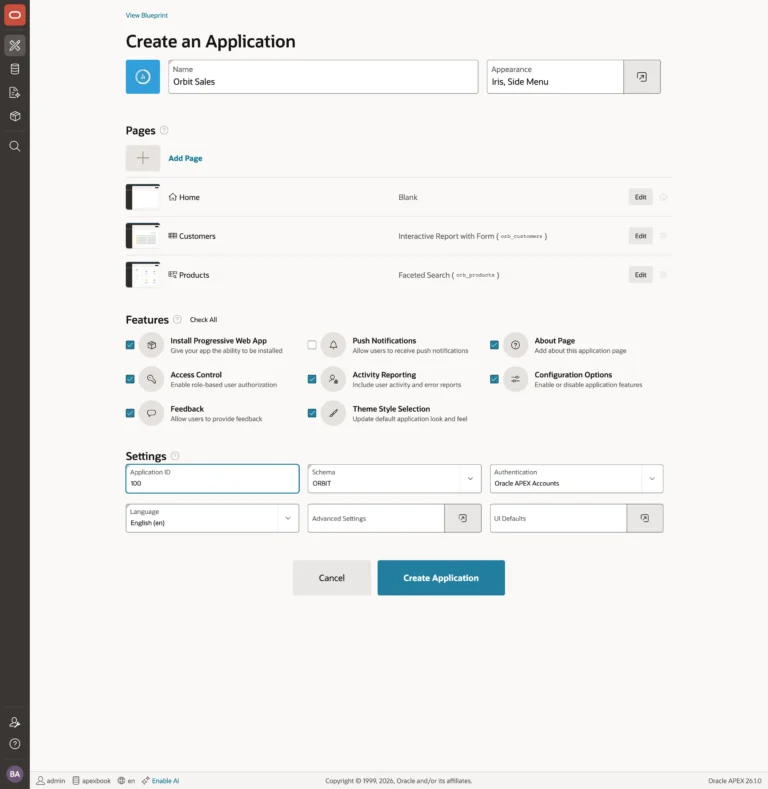
How to Create an Application in Oracle APEX 26.1
A step-by-step guide to the Oracle APEX Create Application wizard, covering appearance, pages, features, and settings, and what each choice generates.
A step-by-step guide to the Oracle APEX Create Application wizard, covering appearance, pages, features, and settings, and what each choice generates.
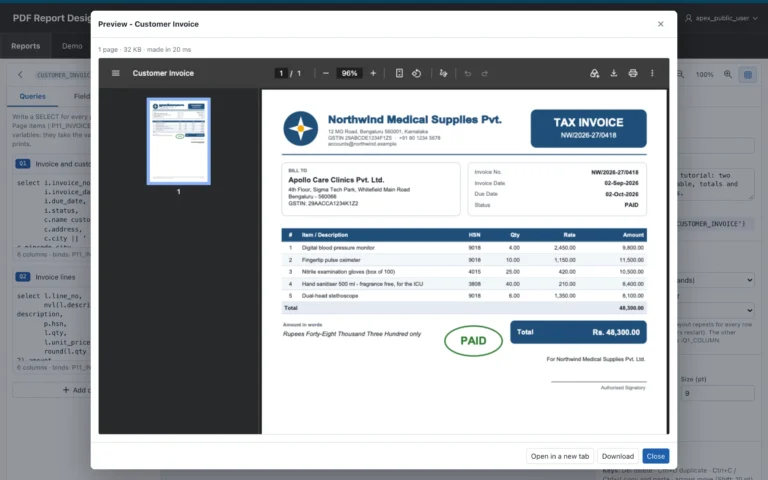
A step-by-step guide to designing invoices, statements, and labels in Oracle APEX and previewing them as PDFs with a single PL/SQL call, free and without a print server.
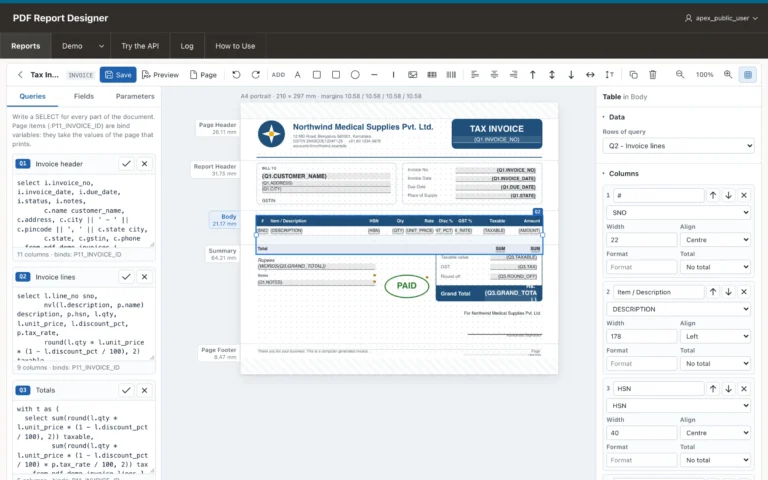
VinAura is a free Oracle APEX application for designing PDF invoices, statements and labels on a canvas, bound to your SQL queries and page items, and printed with one PL/SQL call.
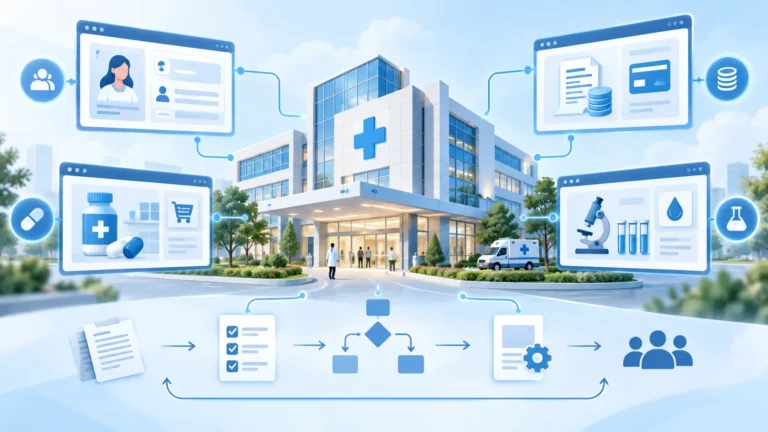
A software requirement specification for hospital defines every module, feature, and constraint a hospital management system must meet before development begins.
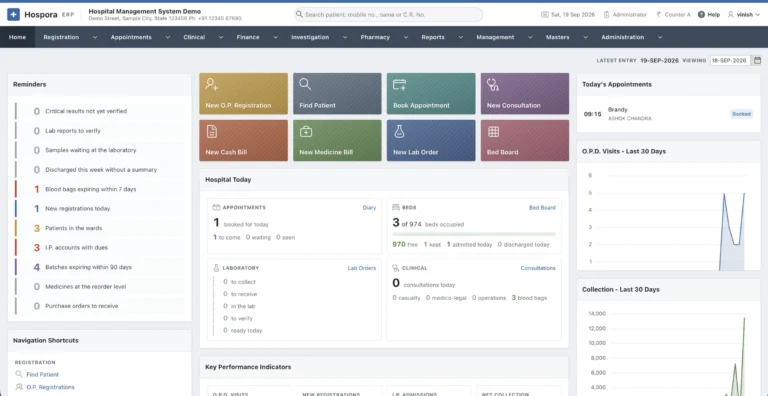
Rounds HMS Modules Platform FAQ User guide All modulesOne patient record, every department Registration & patients Appointments Clinical record Theatre, casualty & M.L.C. Mother & child care Blood bank Laboratory Radiology Billing, GST & insurance Pharmacy & stock Beds &…
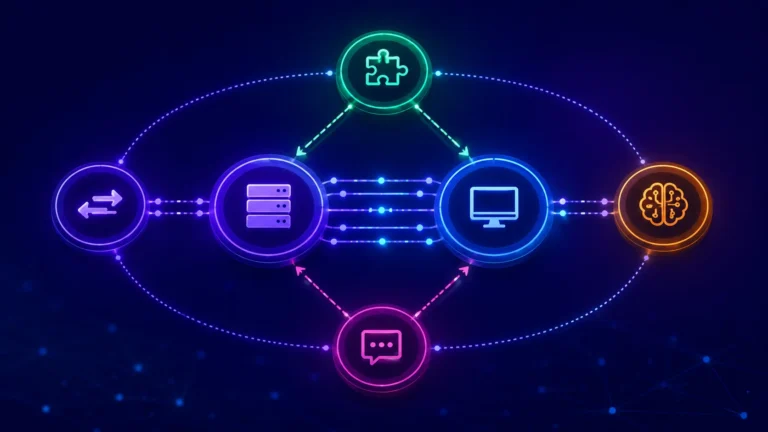
MCP primitives are the five core building blocks of the Model Context Protocol that define how AI agents connect to external tools and data sources.
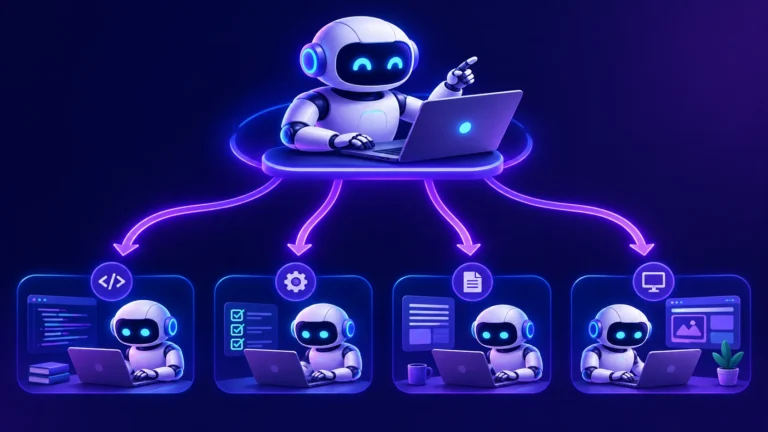
A subagent is a separate AI agent instance with its own context window that handles a scoped task independently, acting as both a specialization tool and a context pressure valve.
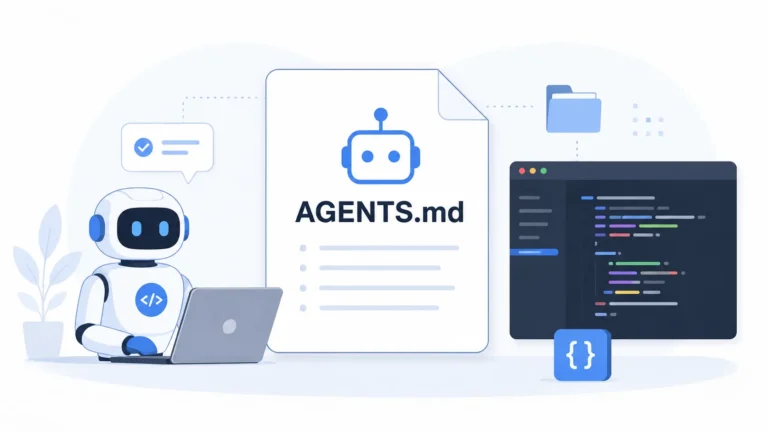
AGENTS.md is a repository-level markdown file that gives AI coding agents the project context they need to write correct code from the very first session.
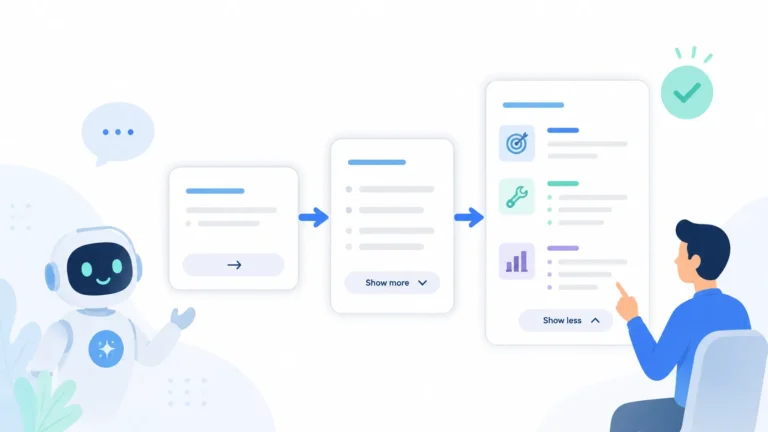
Progressive disclosure is a three-level loading strategy that feeds AI agents only the context they need at the moment, keeping sessions fast and token costs low.
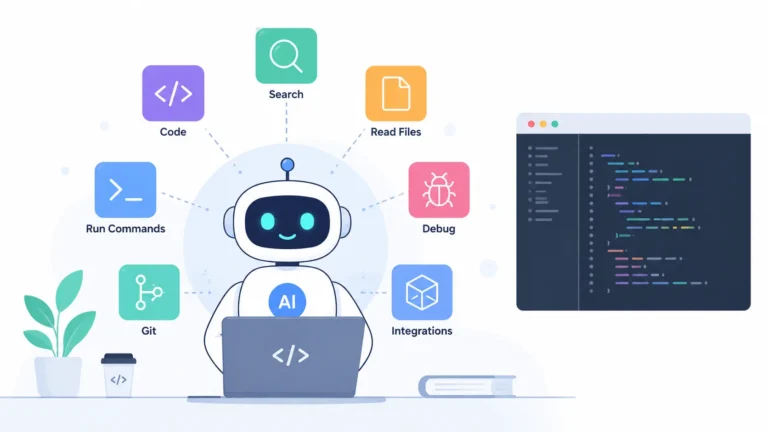
Agent skills are reusable markdown files that teach AI coding tools how to perform repeated tasks consistently, replacing ad-hoc prompts with version-controlled procedures.
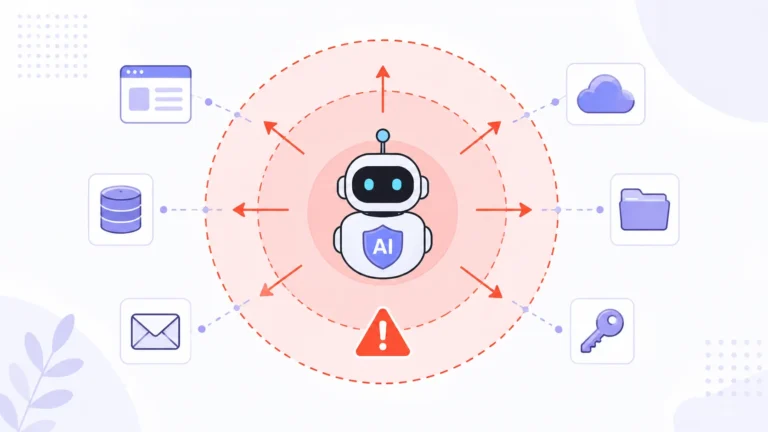
Blast radius is the total scope of damage a compromised or malfunctioning AI agent can cause before anything stops it, and limiting it is the most practical security strategy you have.
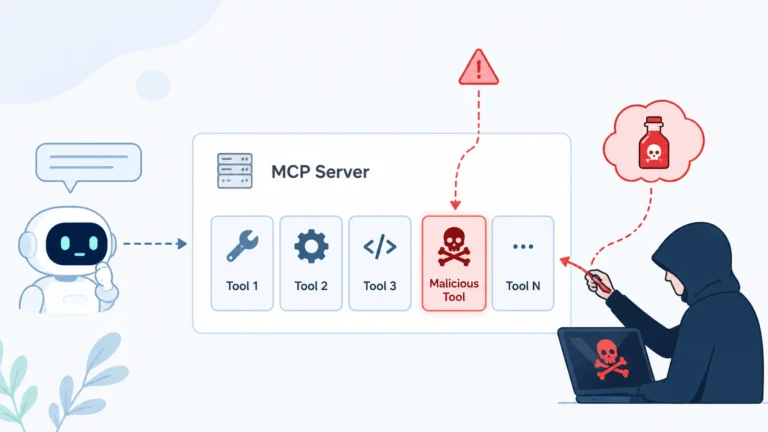
Tool poisoning is a stealth attack that embeds malicious instructions inside MCP tool descriptions, corrupting your AI agent before a single user command is typed.
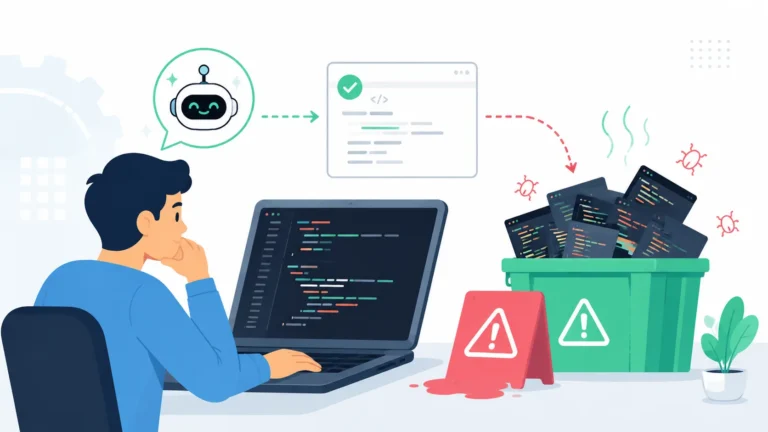
Slopsquatting is a supply chain attack where adversaries register package names that AI coding tools hallucinate, turning a simple install command into a security breach.
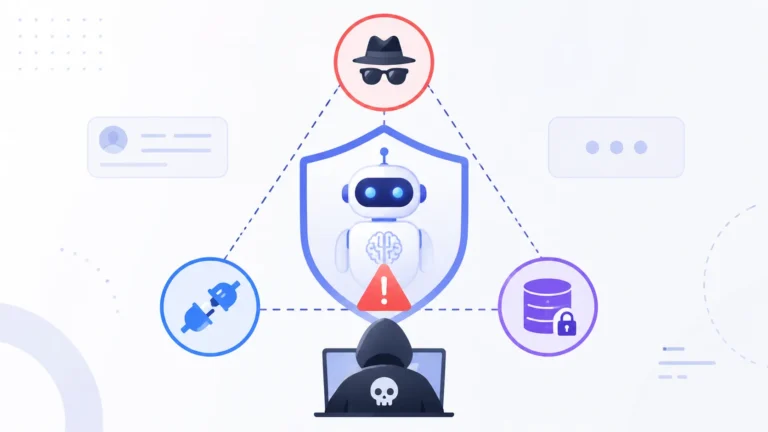
The lethal trifecta describes the dangerous combination of private data access, untrusted content exposure, and outbound action capability that makes AI agents exploitable.
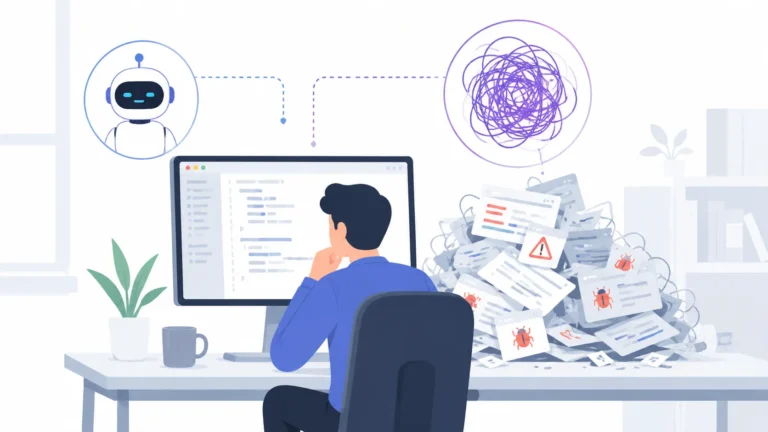
Workslop is AI-generated output that appears complete and professional but quietly transfers the real work to whoever reviews, maintains, or builds on top of it.
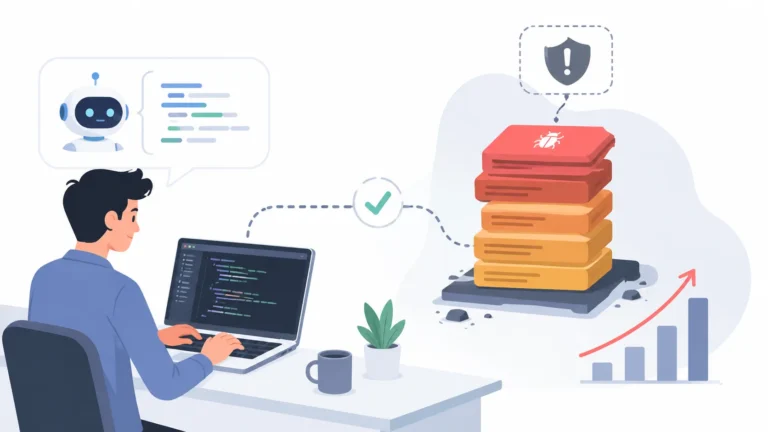
Verification debt builds when AI agents write code faster than your team can review it. Learn what it costs and how to keep it under control.
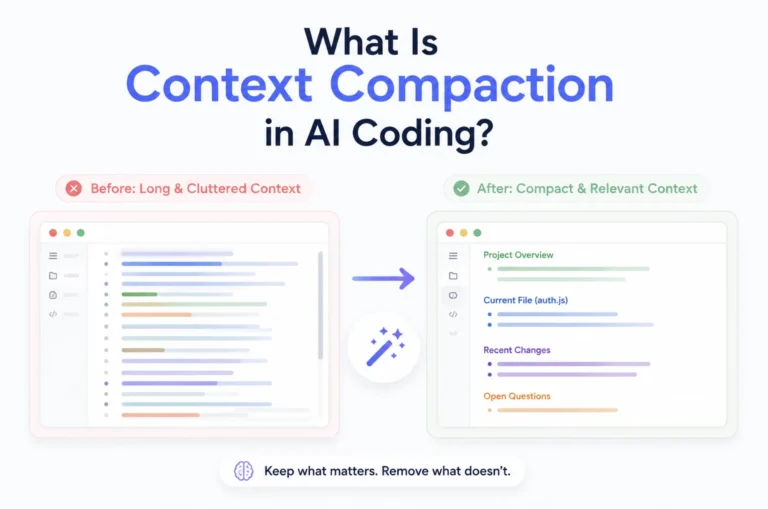
You have been working with an AI coding agent for about an hour. The session started great. But now the agent is re-reading files it already modified, asking questions you already answered, and generating code that contradicts its own earlier…
You are 45 minutes into a coding session with an AI agent. Everything has been smooth so far. Then you ask it to update the same file it modified 30 minutes ago, and it rewrites everything from scratch as if…