What Are MCP Primitives in Model Context Protocol
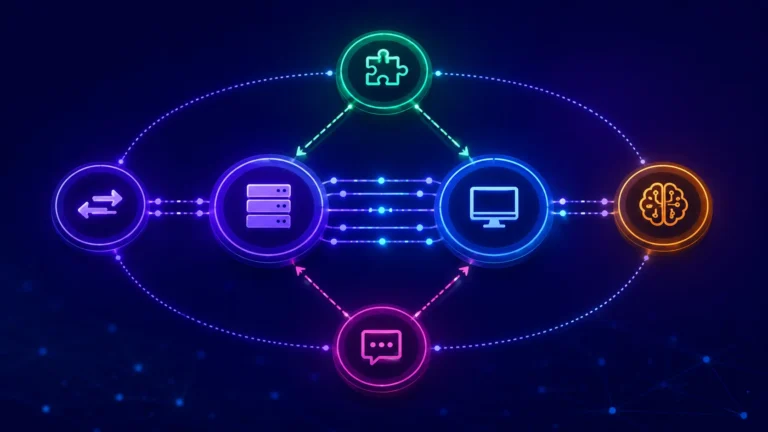
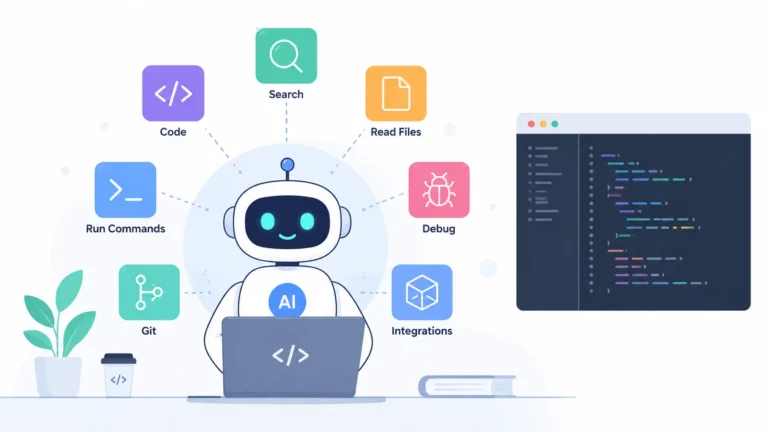
MCP primitives are the five core building blocks of the Model Context Protocol that define how AI agents connect to external tools and data sources.
This blog page is a technical resource primarily focused on Oracle technologies, specifically Oracle APEX and PL/SQL. It features a collection of articles and tutorials written by Vinish Kapoor, an expert in Oracle technologies. The content covers a wide range of topics including development techniques, problem-solving guides, and best practices for Oracle APEX and PL/SQL.

MCP primitives are the five core building blocks of the Model Context Protocol that define how AI agents connect to external tools and data sources.

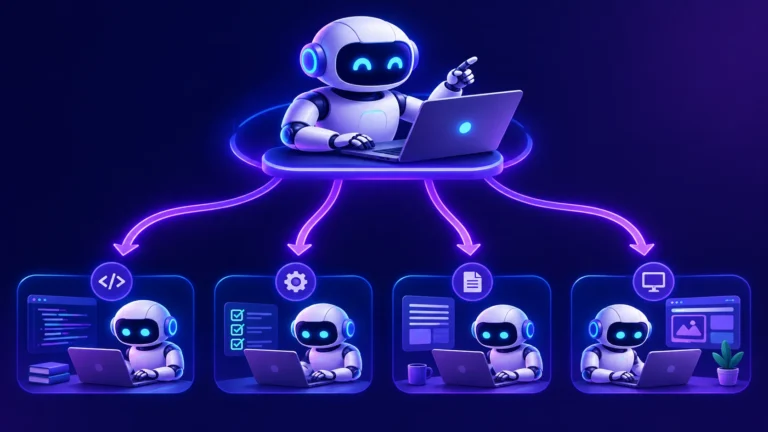
A subagent is a separate AI agent instance with its own context window that handles a scoped task independently, acting as both a specialization tool and a context pressure valve.

AGENTS.md is a repository-level markdown file that gives AI coding agents the project context they need to write correct code from the very first session.

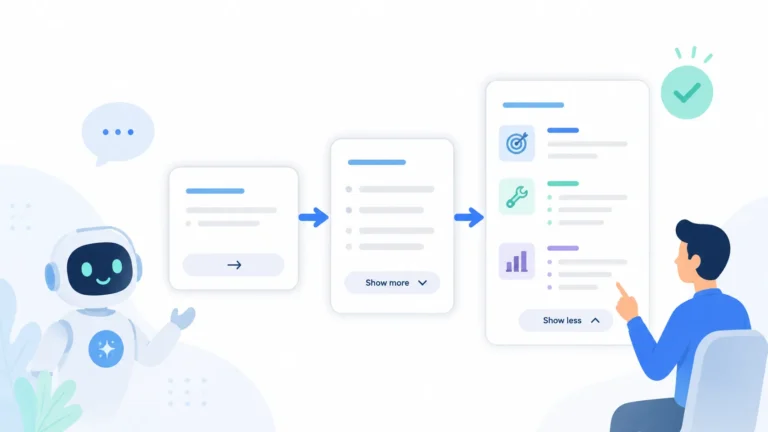
Progressive disclosure is a three-level loading strategy that feeds AI agents only the context they need at the moment, keeping sessions fast and token costs low.

Agent skills are reusable markdown files that teach AI coding tools how to perform repeated tasks consistently, replacing ad-hoc prompts with version-controlled procedures.

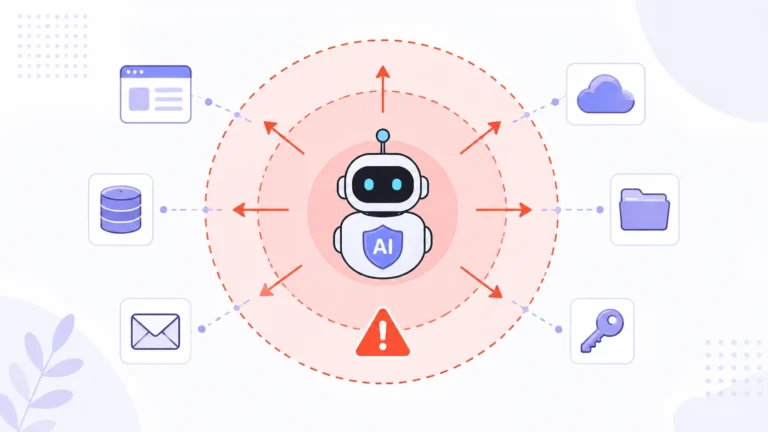
Blast radius is the total scope of damage a compromised or malfunctioning AI agent can cause before anything stops it, and limiting it is the most practical security strategy you have.

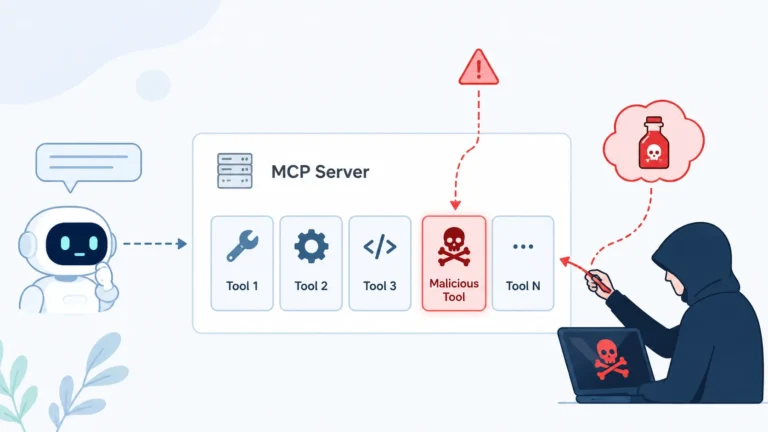
Tool poisoning is a stealth attack that embeds malicious instructions inside MCP tool descriptions, corrupting your AI agent before a single user command is typed.

Slopsquatting is a supply chain attack where adversaries register package names that AI coding tools hallucinate, turning a simple install command into a security breach.

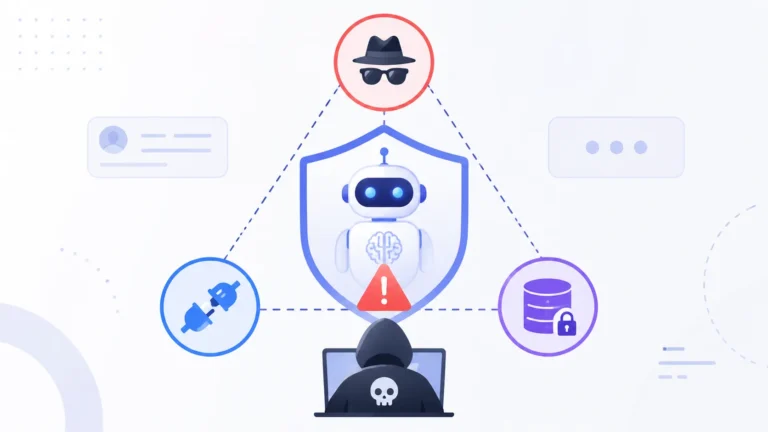
The lethal trifecta describes the dangerous combination of private data access, untrusted content exposure, and outbound action capability that makes AI agents exploitable.

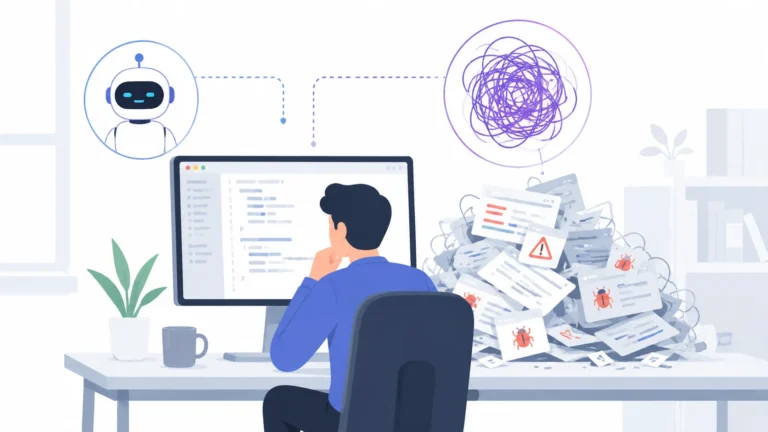
Workslop is AI-generated output that appears complete and professional but quietly transfers the real work to whoever reviews, maintains, or builds on top of it.

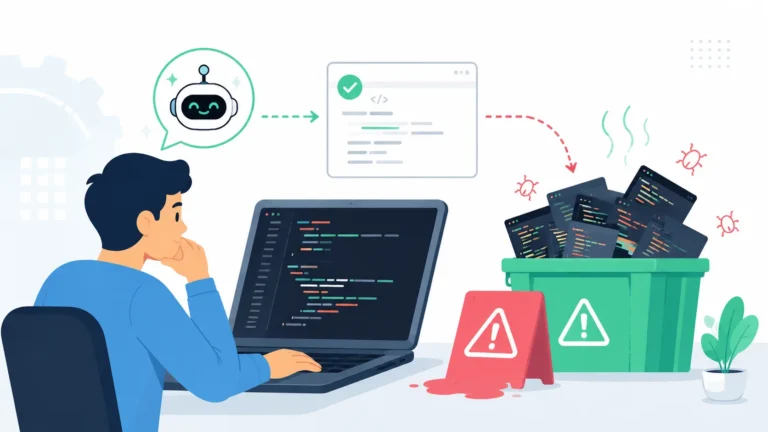
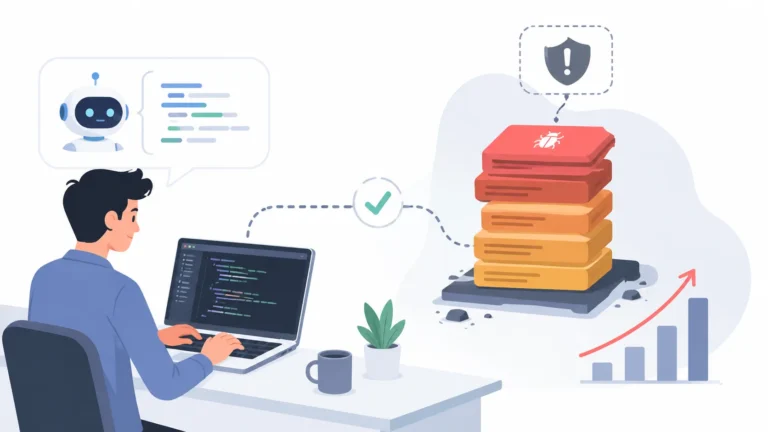
Verification debt builds when AI agents write code faster than your team can review it. Learn what it costs and how to keep it under control.

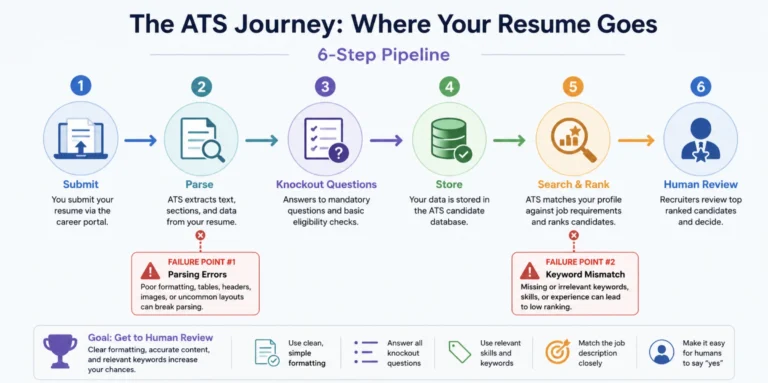
You polish your resume, click "Submit," and then… silence. No rejection, no interview, nothing. Before you blame your experience, understand the software sitting between you and the recruiter: the Applicant Tracking System (ATS). More than 97% of Fortune 500 companies and…

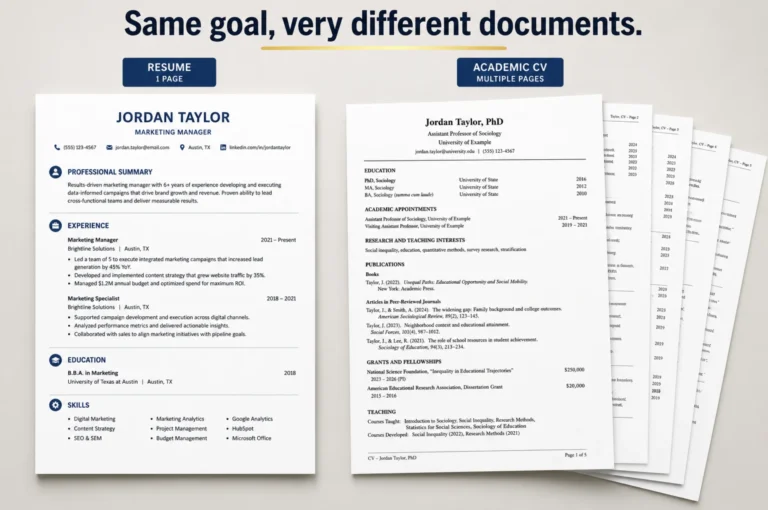
You're about to apply for a job, and the posting asks for a "CV" but everything you've ever written is a resume. Or you're applying abroad, and suddenly the rules feel different. The resume vs CV confusion trips up job seekers constantly,…

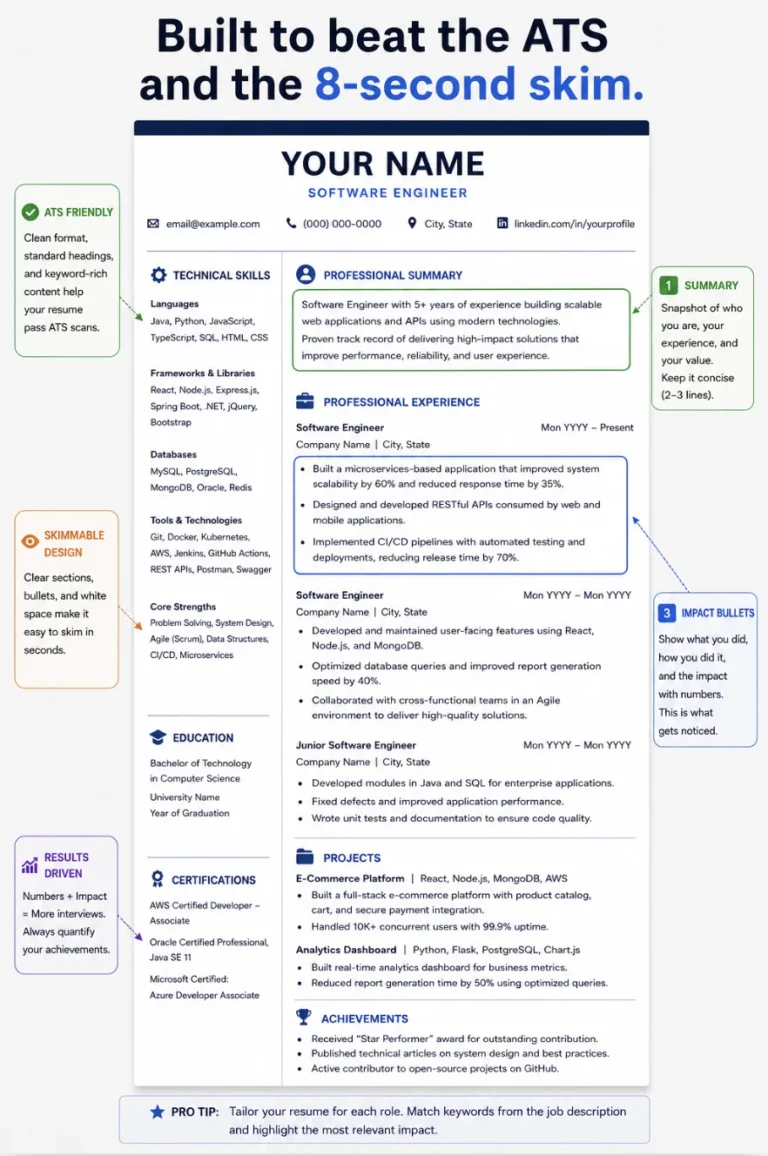
You can be a brilliant engineer and still get rejected before a human ever reads your application. The reason is almost never your code — it's your resume. A great software engineer resume does one job: it convinces a recruiter and an…

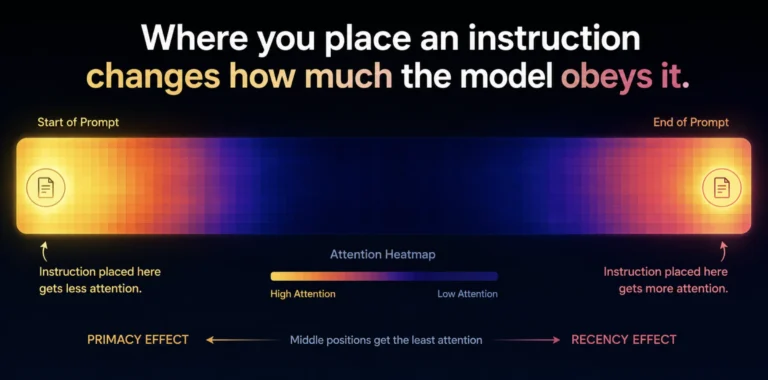
You give a large language model a clear instruction at the start of a long document — "Respond only in JSON" or "Never reveal the customer's account number" — and 20,000 tokens later, it quietly ignores you. The rules you…

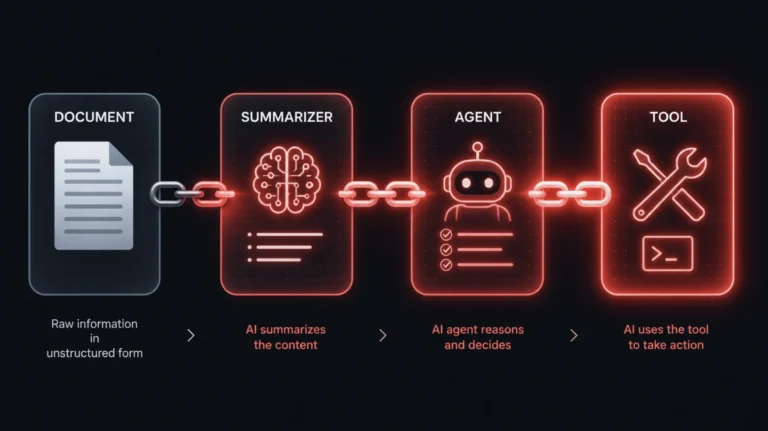
A single prompt injection is dangerous. A prompt injection chain is worse — it's what happens when one malicious instruction doesn't just hijack a single AI response, but cascades from one component to the next, compromising an entire pipeline of agents, tools,…

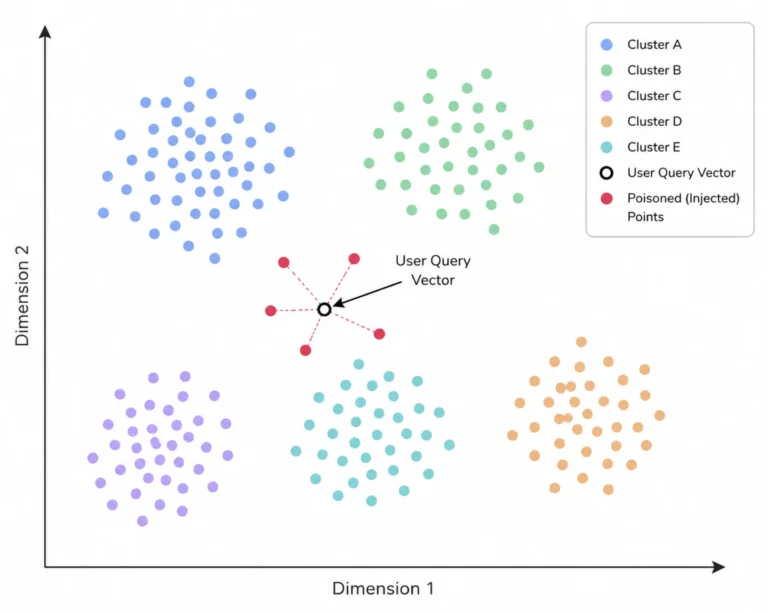
Modern AI assistants feel trustworthy because they cite "their knowledge base." But what if an attacker could secretly slip false information into that knowledge base — so the AI confidently serves up lies, leaks data, or pushes malicious instructions to every user…

You wrote the perfect prompt months ago. It produced clean, reliable output every time — so you saved it, wired it into your app, and moved on. Then one day the results start drifting: formatting breaks, the tone shifts, instructions…