
Modern logistics facilities face unprecedented pressure to deliver products at lightning speeds while maintaining lean operational costs. As e-commerce continues to reshape consumer expectations, the traditional methods of organizing inventory are proving insufficient for high-volume environments.
Warehouse slotting optimization has emerged as a critical strategy for businesses aiming to maximize their internal throughput. By leveraging artificial intelligence, companies can now transition from static storage models to dynamic, data-driven ecosystems that prioritize speed and accuracy.
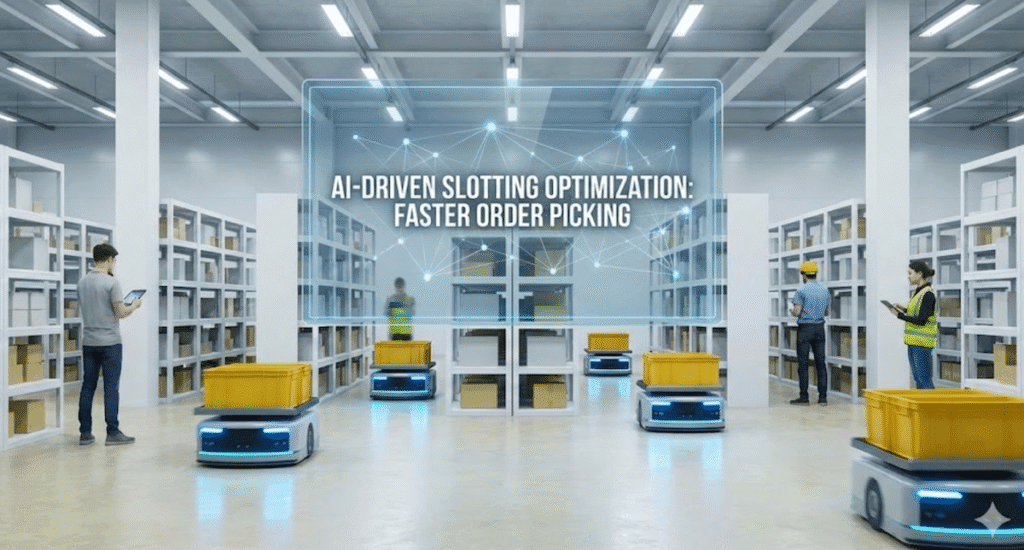
Understanding Traditional vs. AI-Driven Warehouse Slotting
Traditional slotting often relies on a "set it and forget it" mentality, where items are placed based on initial assumptions. This manual approach frequently leads to bottlenecks as demand patterns shift and popular items become buried in deep storage zones.
AI-driven warehouse slotting replaces these rigid structures with fluid, intelligent systems that learn from every transaction. These advanced platforms analyze real-time data to ensure that the most relevant inventory is always positioned in the most accessible locations.
The Limitations of Static Slotting
Static slotting typically organizes products by category or size without accounting for the frequency of their movement. This often results in "honeycombing," where empty spaces are scattered inefficiently throughout the facility and slow down the entire operation.
When pickers must traverse the entire length of a warehouse to retrieve a high-velocity item, labor costs skyrocket. The lack of adaptability in manual systems means that seasonal spikes or sudden market trends can leave a warehouse struggling to keep pace with outgoing orders.
How AI Enables Dynamic Inventory Placement
Dynamic slotting utilizes machine learning algorithms to evaluate thousands of variables simultaneously for every SKU in the building. The system identifies which items are frequently purchased together and recommends placing them in adjacent zones to streamline the picking process.
By continuously re-evaluating the warehouse layout, the AI ensures that the facility evolves alongside the business's actual performance. This proactive adjustment minimizes the need for massive, disruptive re-slotting projects that traditionally take weeks of manual planning.
The Role of Machine Learning in Optimizing SKU Velocity
SKU velocity refers to how quickly an item moves out of the warehouse once it has been received. High-velocity items are the lifeblood of a fulfillment center and require prime placement near packing stations to reduce transit time.
Machine learning algorithms excel at identifying these fast-moving goods long before a human manager might notice the trend. By analyzing historical sales data and current market signals, the AI can predict which items will become "hot" in the coming days.
Analyzing Historical Data for Predictive Placement
The power of predictive analytics allows the warehouse management system to look back at years of order history to find hidden patterns. It can identify specific days of the week or months of the year when certain product categories experience a surge in demand.
Once these patterns are established, the system automatically moves inventory into "gold zones" where it can be picked with minimal effort. This data-driven foresight prevents the warehouse from being caught off guard by predictable fluctuations in consumer behavior.
Adapting to Seasonal Demand and Market Shifts
Seasonal demand often renders traditional slotting plans obsolete within a matter of days. AI-driven systems remain agile by incorporating external data points, such as social media trends or regional weather forecasts, into their calculations.
If a specific product begins to trend unexpectedly, the system can trigger a localized re-slotting task to move that SKU to a more favorable location. This responsiveness ensures that order fulfillment speed remains high even during the most volatile shopping periods.
Reducing Picker Travel Time with Intelligent Layouts
Research indicates that picker travel time can account for up to 60% of total warehouse labor costs. Reducing the distance a worker walks between picks is the most effective way to lower expenses and increase daily output.
AI-driven warehouse slotting optimization focuses on creating a layout that shortens the "travel loop" for every order. By clustering popular items and optimizing the physical path, the system allows pickers to complete more tasks in a single shift.
Pick Path Optimization and Batching
Pick path optimization algorithms calculate the most efficient sequence for a worker to navigate through the aisles. Instead of moving back and forth, the picker follows a logical, non-repetitive route that hits all necessary locations in one pass.
Furthermore, AI can facilitate advanced batching by grouping multiple orders that share similar item locations. This strategy allows a single picker to fulfill five or ten orders at once while walking the same distance they previously would have for one.
Minimizing Physical Strain and Labor Costs
Shorter travel distances do more than just save time; they also significantly reduce the physical exhaustion of the warehouse workforce. When employees spend less time walking on hard concrete floors, their overall productivity and morale tend to improve.
Lowering the physical demand of the job can lead to higher retention rates and a decrease in workplace injuries. In a competitive labor market, the efficiency gains from smart warehousing become a powerful tool for maintaining a stable and healthy workforce.
Integrating AI Slotting into Modern WMS Architecture
For AI-driven slotting to be effective, it must be deeply integrated into the existing warehouse management system. This connection allows the optimization engine to receive a constant stream of data from every scanner and sensor in the facility.
A seamless integration ensures that the slotting recommendations are based on the most current information available. It also allows the system to generate "move tasks" for replenishment teams during natural lulls in the daily workflow.
Real-Time Data Syncing and IoT Integration
Smart warehousing relies on the Internet of Things (IoT) to track the movement of goods and people in real time. Sensors on forklifts and wearable devices provide the AI with a granular view of exactly how the warehouse layout is being utilized.
This real-time visibility allows the system to detect congestion in certain aisles and suggest alternative routes or placements. By syncing this data instantly, the warehouse remains a living, breathing entity that optimizes itself every minute of the day.
Scalability and Future-Proofing Operations
As a business grows, its inventory complexity usually increases, making manual management nearly impossible. AI-driven slotting is inherently scalable, capable of managing tens of thousands of SKUs across multiple facilities without breaking a sweat.
Investing in these technologies today prepares a company for the future of autonomous logistics and robotics. Since the AI understands the spatial logic of the building, it can easily direct autonomous mobile robots (AMRs) to perform high-speed picking tasks.
Tangible Benefits: Efficiency, Accuracy, and ROI
The implementation of AI-driven warehouse slotting optimization delivers measurable improvements across all key performance indicators. Facilities often report a 20% to 30% increase in picking speed within the first few months of deployment.
Greater order accuracy is another significant benefit, as items are placed in logical, well-organized zones that reduce human error. When the right product is always in the right place, the number of "mis-picks" and subsequent returns drops dramatically.
From a financial perspective, the return on investment (ROI) for AI slotting software is typically achieved through labor savings alone. By maximizing the utility of existing square footage, companies can also delay or avoid the massive expense of warehouse expansion.
The ultimate goal of faster order picking is to provide a superior experience for the end customer. In an era where "next-day delivery" is the gold standard, AI-driven slotting provides the operational foundation required to meet that promise consistently.
Conclusion
AI-driven warehouse slotting optimization is no longer a futuristic luxury but a necessity for competitive logistics. By replacing static layouts with dynamic, machine-learning-powered strategies, warehouses can unlock hidden levels of productivity and speed.
Reducing picker travel time and maximizing SKU velocity creates a more efficient, cost-effective, and worker-friendly environment. As technology continues to evolve, the gap between traditional warehouses and smart fulfillment centers will only continue to widen.
