
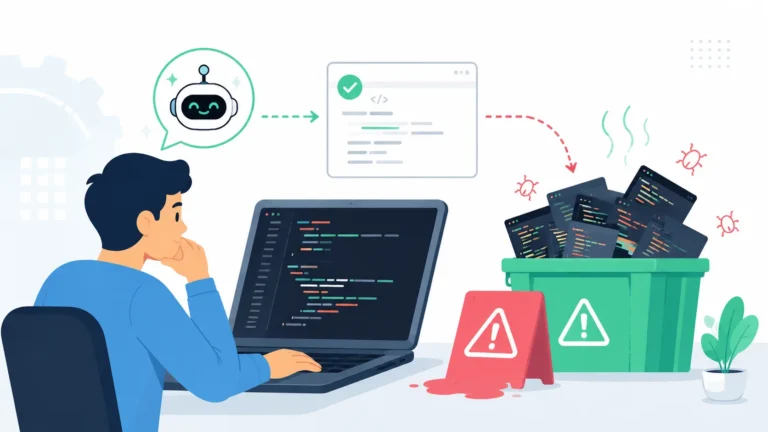
What Is Slopsquatting in AI Generated Code
Slopsquatting is a supply chain attack where adversaries register package names that AI coding tools hallucinate, turning a simple install command into a security breach.
Slopsquatting is a supply chain attack where adversaries register package names that AI coding tools hallucinate, turning a simple install command into a security breach.
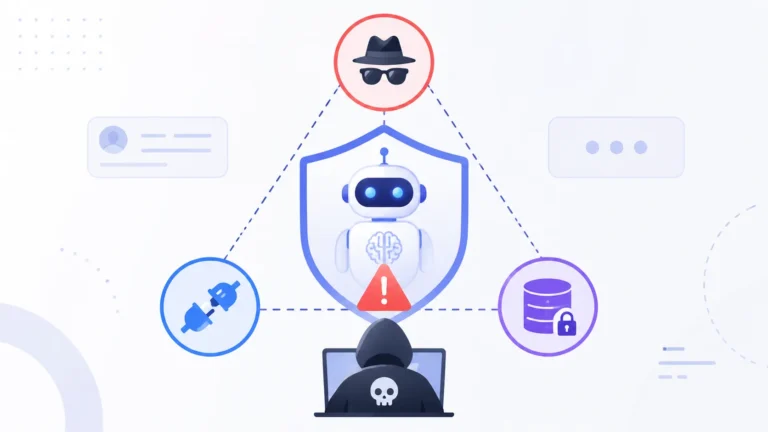
The lethal trifecta describes the dangerous combination of private data access, untrusted content exposure, and outbound action capability that makes AI agents exploitable.
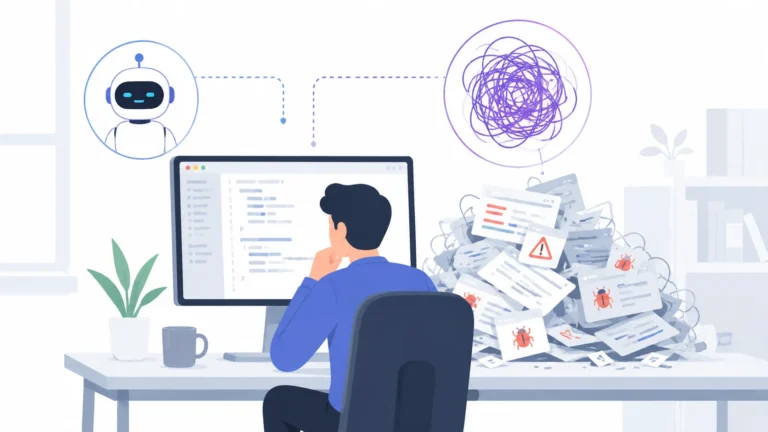
Workslop is AI-generated output that appears complete and professional but quietly transfers the real work to whoever reviews, maintains, or builds on top of it.
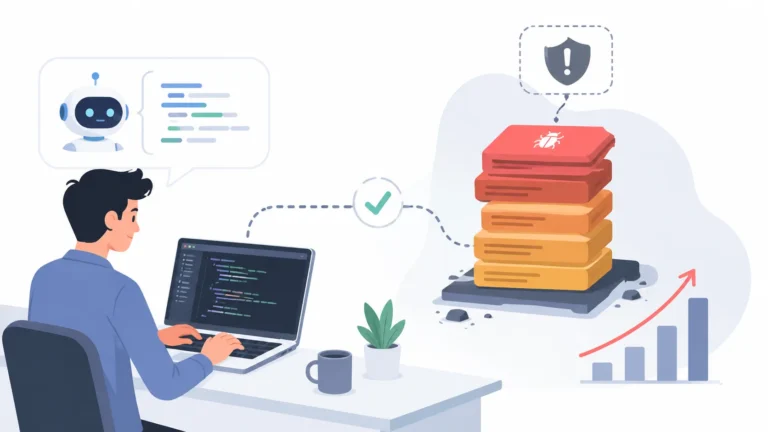
Verification debt builds when AI agents write code faster than your team can review it. Learn what it costs and how to keep it under control.

You have been working with an AI coding agent for about an hour. The session started great. But now the agent is re-reading files it already modified, asking questions you already answered, and generating code that contradicts its own earlier…

You are 45 minutes into a coding session with an AI agent. Everything has been smooth so far. Then you ask it to update the same file it modified 30 minutes ago, and it rewrites everything from scratch as if…
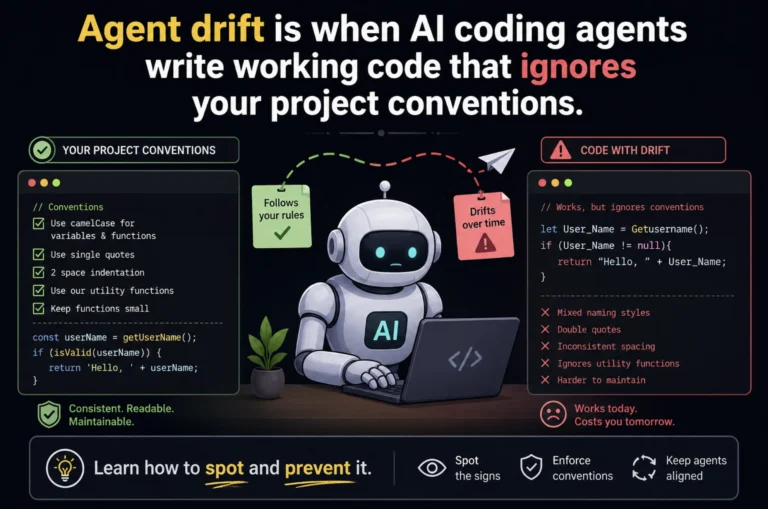
You asked an AI coding agent to add a user profile feature. It came back with clean code, passing tests, and a working UI. Everything looks great until you realize it created a brand new users table instead of using…
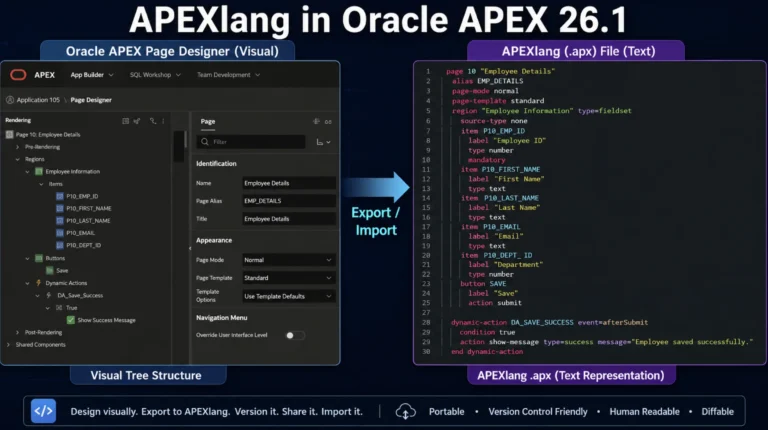
For over two decades, an Oracle APEX application has lived inside the database as metadata you could only realistically touch through the App Builder. The export was a giant f100.sql file — fine for deployment, nearly useless for code review, diffing, or…
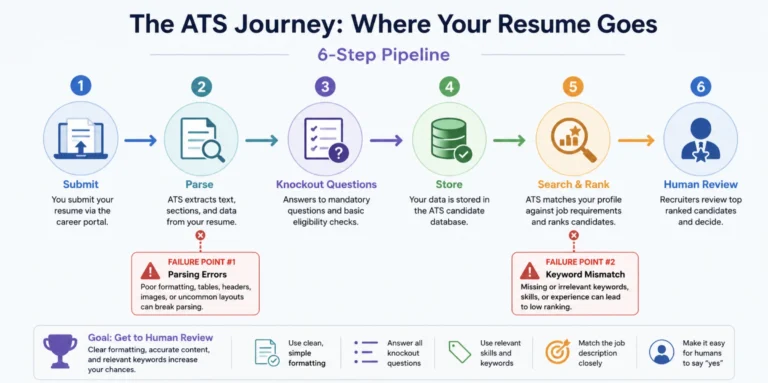
You polish your resume, click "Submit," and then… silence. No rejection, no interview, nothing. Before you blame your experience, understand the software sitting between you and the recruiter: the Applicant Tracking System (ATS). More than 97% of Fortune 500 companies and…
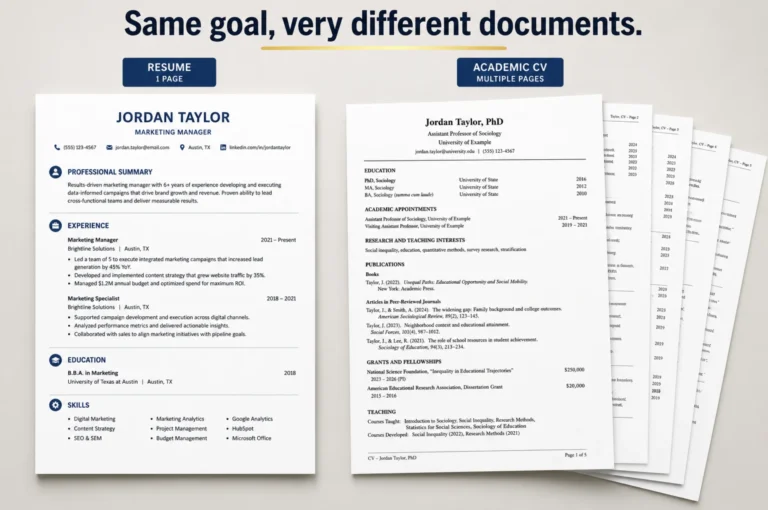
You're about to apply for a job, and the posting asks for a "CV" but everything you've ever written is a resume. Or you're applying abroad, and suddenly the rules feel different. The resume vs CV confusion trips up job seekers constantly,…
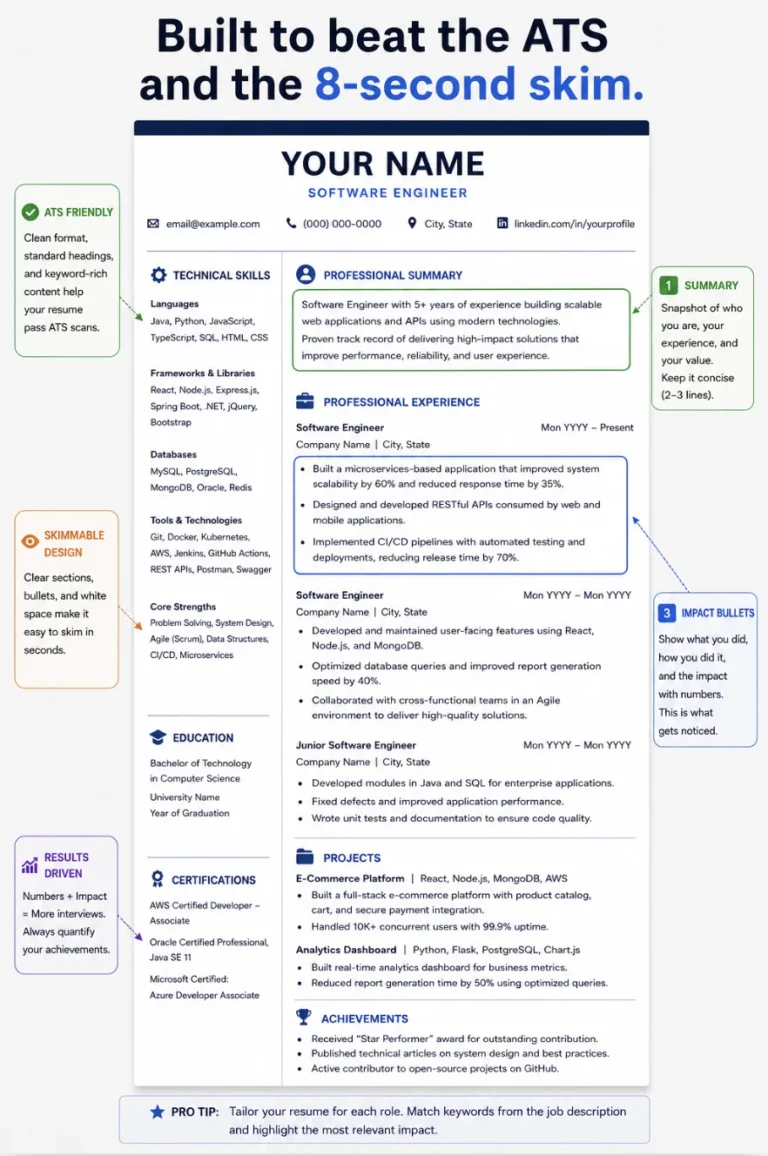
You can be a brilliant engineer and still get rejected before a human ever reads your application. The reason is almost never your code — it's your resume. A great software engineer resume does one job: it convinces a recruiter and an…

Imagine photocopying a photocopy. The first copy looks fine. The tenth is blurry. The hundredth is an unreadable smudge. Model collapse — sometimes called recursive contamination — is the AI equivalent of that decay. When models are trained on data produced by other models,…
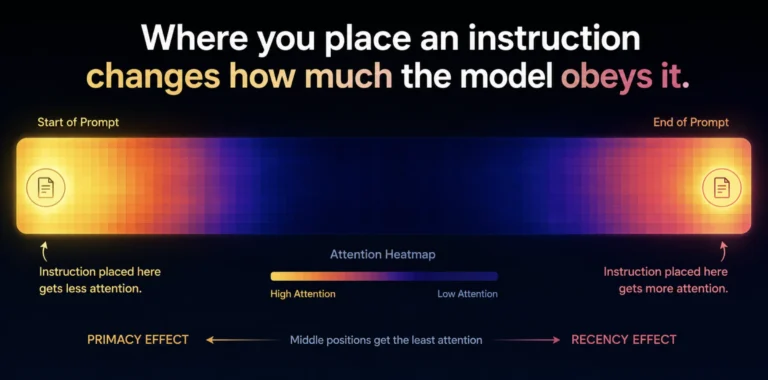
You give a large language model a clear instruction at the start of a long document — "Respond only in JSON" or "Never reveal the customer's account number" — and 20,000 tokens later, it quietly ignores you. The rules you…
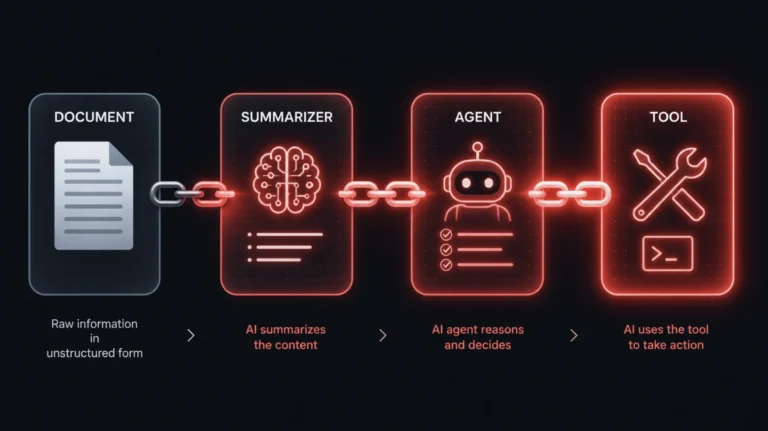
A single prompt injection is dangerous. A prompt injection chain is worse — it's what happens when one malicious instruction doesn't just hijack a single AI response, but cascades from one component to the next, compromising an entire pipeline of agents, tools,…
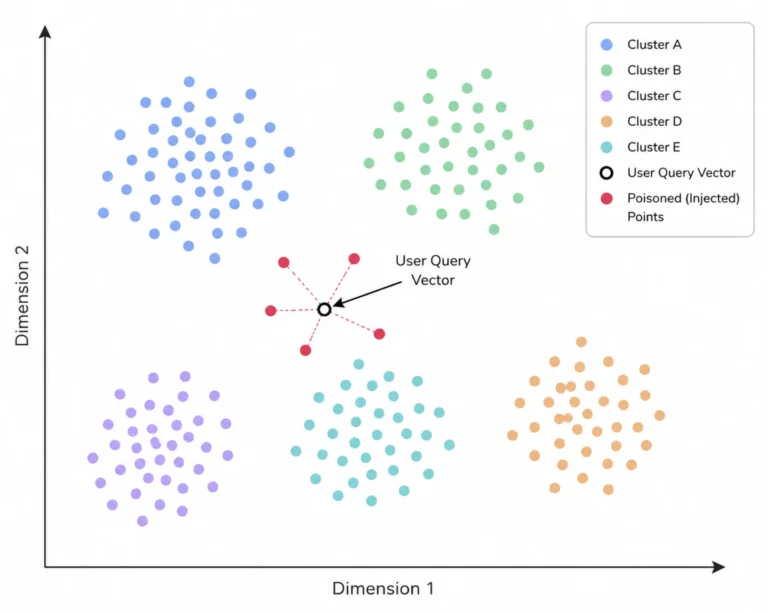
Modern AI assistants feel trustworthy because they cite "their knowledge base." But what if an attacker could secretly slip false information into that knowledge base — so the AI confidently serves up lies, leaks data, or pushes malicious instructions to every user…
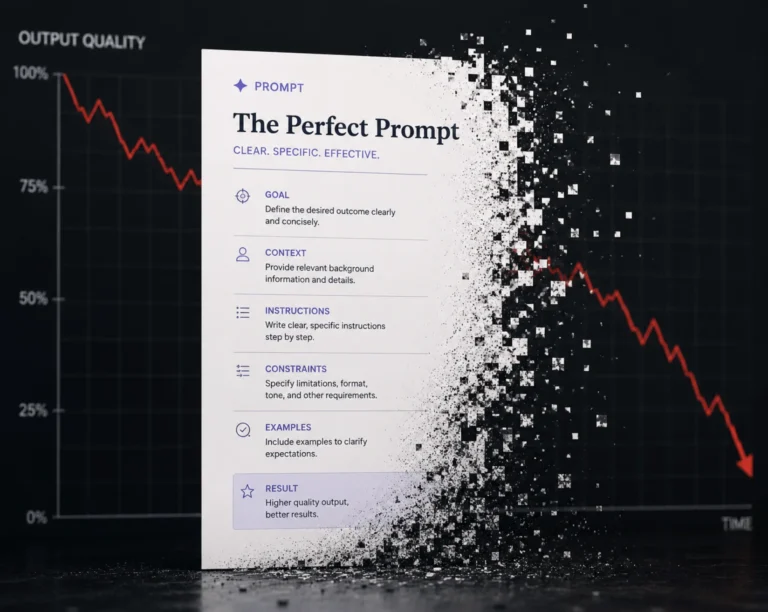
You wrote the perfect prompt months ago. It produced clean, reliable output every time — so you saved it, wired it into your app, and moved on. Then one day the results start drifting: formatting breaks, the tone shifts, instructions…
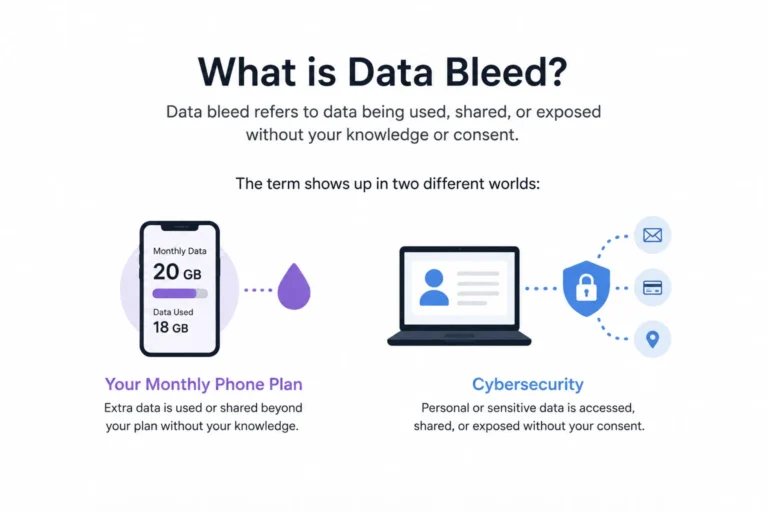
Have you ever checked your phone bill and wondered where all your data went? You barely streamed anything, yet your plan is nearly maxed out. There is a good chance you are dealing with data bleed. Data bleed is one…

Spy apps are designed to be invisible. They hide their icons, disguise themselves as "System Update" or "Device Health," and quietly copy your messages, location, photos, and calls to someone else — often a person you know. This kind of…